
Dust to Dust…Rebuilding American Moto - Hardware Startup Manufacturing


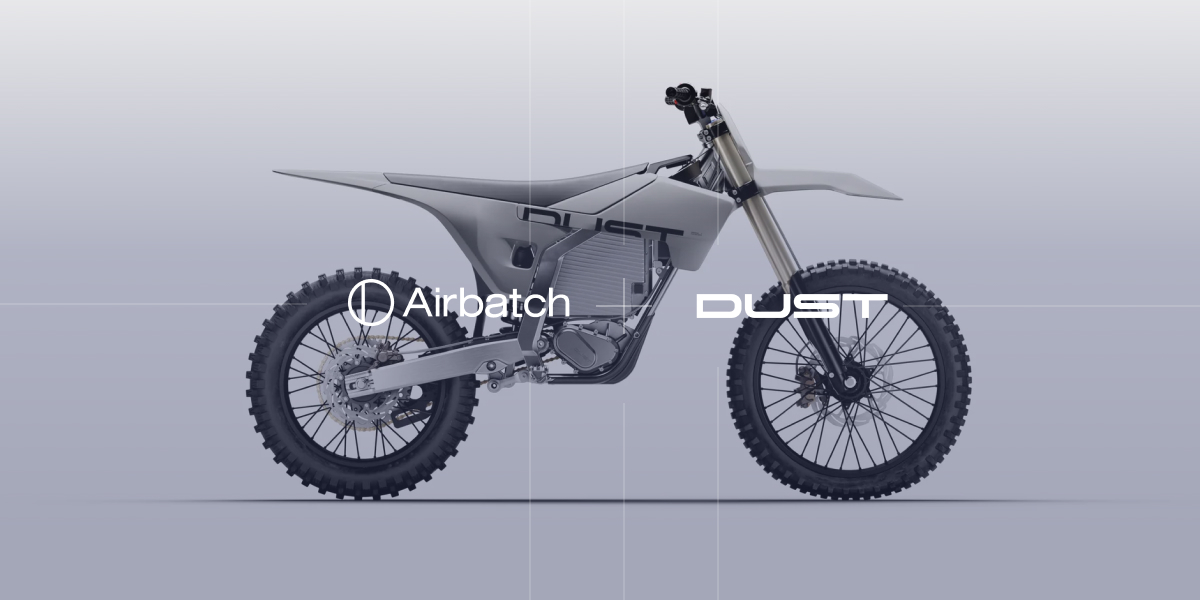
There’s a strange thing happening in electric vehicles right now. America talks endlessly about innovation. But when it comes to electric dirt bikes, almost the entire market is being built somewhere else.
Factories in China. Brands most riders have never heard of. Companies where you can’t even figure out who the humans behind the product are.
Which raises a weird question: Why isn’t an American company building the next generation of dirt bikes?
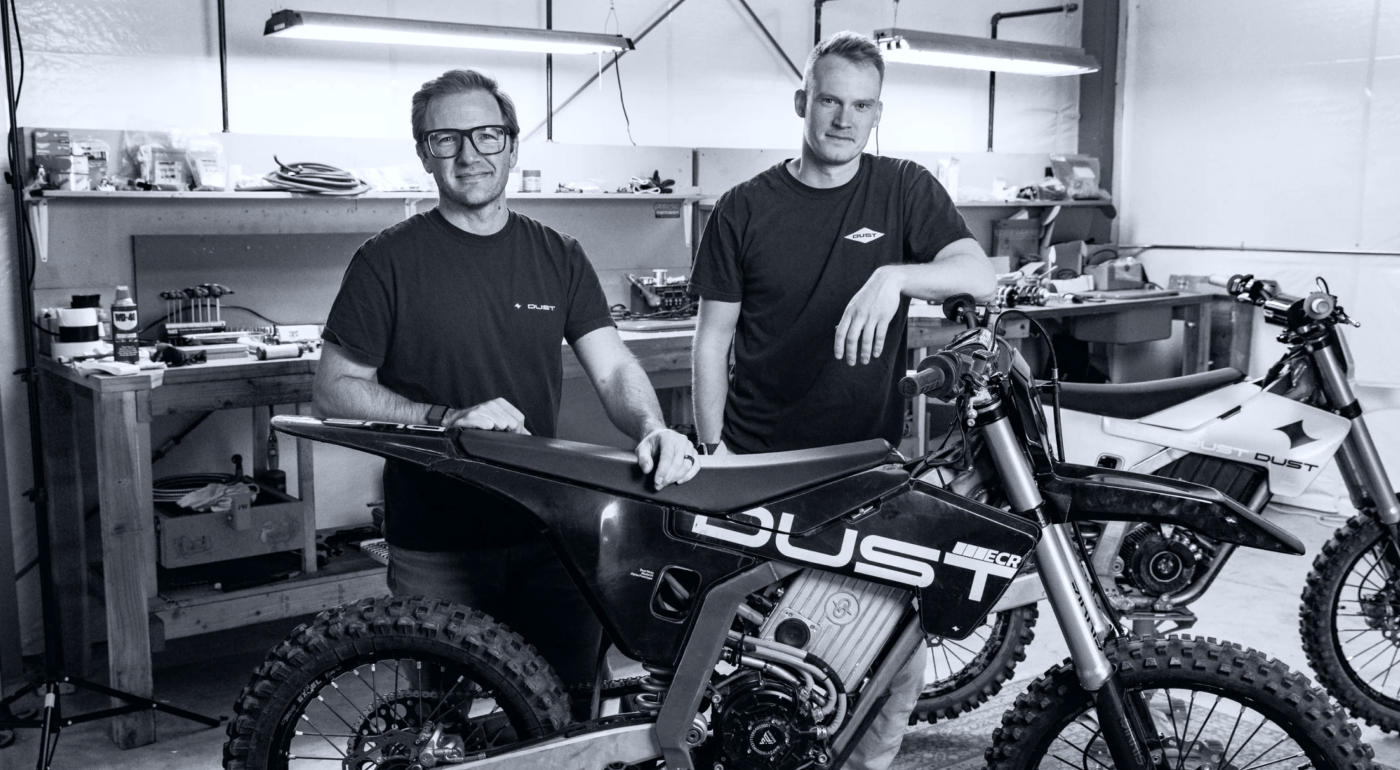
That question is part of what led Colin Godby, CEO and co-founder of Dust Moto, to start his company.
But like most real builder stories, Dust Moto didn’t begin with a clean pitch deck.
It started in the ashes of a project that died.
Instead Colin and a few teammates looked at the work they’d already done and said: The strength of the founding team—combining diverse expertise, shared vision, and long-term commitment—was crucial in launching Dust Moto and set the foundation for the company’s journey.
When a product dies...sometimes a company is born
Before starting Dust Moto, Colin spent years deep in hardware development.
Mechanical engineering. Vehicle development. Consumer products. Even ride design at Disney Imagineering.
Later he joined a New Zealand electric motorcycle company where he helped lead product development. The team began exploring a new recreational electric dirt bike.
Then the project was killed. Most people would move on. Instead Colin and a few teammates looked at the work they'd already done and said: “Why don’t we just build it ourselves?”
That moment became Dust Moto.
Close-up profile of the American Moto electric dirt bike prototype, teatured in the Airbatch Builders Blog series
When Colin and his co-founders looked at the electric moto market, something stood out.
There were plenty of bikes. But almost all of them came from the same place. Chinese manufacturers. Some good. Some questionable. Most invisible.
And almost none of them building a brand that actually connected with riders. “We realized there wasn’t really an American dirt bike OEM operating in this space,” Colin said. At the same time electrification was finally becoming viable.
The early companies proved people wanted electric bikes. But nobody had really claimed the premium middle ground….the space between cheap imports and high-end racing machines. Dust Moto’s business model is specifically designed to capture this premium segment by aligning their manufacturing, product development, and go-to-market strategies to support sustainable growth and financial viability in hardware startup manufacturing.
So Dust Moto decided to build something different.
A bike designed for real riders. A brand rooted in action sports culture. And a company where the founders are actually visible.
The messy reality of building hardware and the supply chain
Software founders love to talk about “move fast and break things.”
Hardware founders don’t get that luxury. Every mistake costs money. Sometimes a lot of money.
One of the hardest parts is simply navigating manufacturing… especially overseas. Hardware startups must carefully select and manage components—like PCB parts, chips, and sensors—to ensure product quality, cost control, and overall feasibility throughout development.
“There are incredible factories in China,” Colin says. “But if you’re a startup and you don’t know how to navigate that world, it can be chaotic.”
Factories make promises. Timelines slip. Costs appear out of nowhere. Startups often rely on contract manufacturers and external partners, which introduces additional risks and dependencies that must be managed closely.
And for early-stage companies, all that risk sits on their shoulders. Efficiently managing resources and leveraging new technologies is crucial to streamline the manufacturing process and reduce exposure to costly setbacks.
One bad manufacturing partner can delay a launch by months or wipe out a huge chunk of capital.
That’s part of why Colin became interested in what Airbatch is building.
Hardware companies have never really had the equivalent of GitHub…a shared infrastructure layer that makes it easier to actually bring products to life.
Product Development and Regulatory Compliance
For hardware startups, the journey from prototype to mass production is filled with both excitement and risk. One of the biggest challenges isn’t just building a great product—it’s making sure that product meets the strict standards and regulations of your target market. In many industries, regulatory compliance isn’t just a box to check; it’s the gold standard that separates successful startups from those that never make it past the starting line.
Today’s funding environment reflects this reality. Venture capitalists and angel investors are looking for early-stage companies that demonstrate a deep understanding of regulatory requirements and have a clear strategy for navigating them. For hardware founders, this means regulatory compliance and quality control are non-negotiable. Failing to meet these standards can lead to costly recalls, fines, or even the end of the business before it truly begins.
Achieving product-market fit in hardware isn’t just about building something people want—it’s about building something that can be sold, shipped, and used safely in the real world. That requires invaluable insights from user feedback, suppliers, and strategic partners. The best hardware companies invest time in understanding the pain points of their customers and the expectations of regulators, then bake those insights into every stage of product design and the manufacturing process.
Quality control is at the heart of this effort. From sourcing raw materials to final assembly, every step must be carefully managed. This is especially true as startups scale up to producing thousands of units. Sacrificing quality for speed or cost might seem tempting, but it’s a shortcut that rarely pays off. Instead, successful startups focus on building robust quality control systems, often in partnership with experienced contract manufacturers and suppliers who understand the complexities of regulatory compliance.
Strategic partnerships are key. Working with contract manufacturers and suppliers who have a proven track record in regulatory compliance can help hardware startups avoid costly mistakes and accelerate their path to market. These partners bring not only manufacturing expertise but also a deep understanding of the regulatory landscape, helping startups navigate everything from material selection to equipment requirements and inventory management.
The manufacturing process itself must be designed with compliance and quality in mind. This means choosing the right materials, implementing efficient production processes, and maintaining tight control over inventory and serial numbers. Real-time collaboration with manufacturing facilities and strategic partners ensures that any issues are caught early—before they become big problems.
Ultimately, building a successful hardware startup is about more than just great industrial design or clever technology. It’s about creating physical products that meet the needs of multiple customers, comply with regulations, and stand up to the demands of the real world. By prioritizing regulatory compliance, quality control, and strategic partnerships, hardware founders can lay the groundwork for long-term success—even in a competitive, fast-changing market.
In hardware, there are no shortcuts. But with the right strategies, focus, and partners, startups can turn the big challenge of manufacturing into a powerful advantage—creating products that not only reach the market, but set the standard for quality and reliability in their industry.
Why small teams are suddenly winning
The surprising part about Dust Moto? The team is tiny.
For most of the company’s early life it was basically just two founders pushing the project forward.
Today the team is still only about five people. But they’ve raised roughly $3 million and poured most of it directly into building the product. Producing more units was essential for validating the product and supporting early sales, allowing them to iterate quickly and prove market demand.
“If we had to spend another half million dollars on headcount just to manage the process,” Colin said, “the company probably wouldn’t exist.”
The reality of modern startups is simple: Small teams with the right tools can now do what used to require entire departments. Dust Moto’s journey followed a clear course, moving through structured phases from concept to production, much like a curriculum guiding each step of hardware startup manufacturing.
The brutal truth about hardware startups
Every founder eventually learns the same lesson. This is harder than you thought.
Colin doesn’t sugarcoat it. “Starting a company is a lonely journey,” he says. “You’re constantly being challenged by new data, new problems, new information.”
The biggest mistake founders make is becoming too attached to their original idea. If you refuse to adjust when reality changes, the company eventually breaks.
But the real difference between builders and everyone else? Pain tolerance. Building a hardware company requires dedication for the long haul, as sustained effort and resilience are essential to navigate ongoing challenges.
“A lot of it just comes down to how much pain you can handle,” Colin said. “Unfortunately that’s the truth.” Enduring these challenges is what separates a successful startup from those that don't make it.
What happens next
Dust Moto is now entering the final stretch toward production. The bikes are almost ready. To plan for the future, Dust Moto is ensuring their manufacturing facility can scale to meet anticipated demand as they ramp up operations. Customers will soon get to see them in the wild. But if you talk to Colin, he’s very clear about one thing: Launching the product isn’t the finish line.
It’s the beginning of the next chapter. Because building a real company, especially in hardware, never actually gets easier. Understanding market demand is critical for forecasting production needs and planning for the next thousand units as Dust Moto moves from prototype to mass production.
You just get better at surviving it. As they prepare for full-scale production, Dust Moto is also navigating the current funding environment to secure the resources needed for growth.
Question for other builders:
What’s been the hardest part of bringing a physical product to life?
Manufacturing? Capital? Or simply finding the stamina to keep going?
Books That Shaped the Buider
In every Builders Blog, we ask our guest a simple question: What books shaped the way you think and build?
Here are a few that influenced Colin’s journey.
- Build — Tony Fadell
A behind-the-scenes guide to building great products and companies from the engineer who helped create the iPod, iPhone, and Nest. - Skunk Works — Ben Rich
The story of Lockheed’s legendary secret engineering team that built breakthrough aircraft by operating with small teams and minimal bureaucracy. - Creativity, Inc. — Ed Catmull
A look inside Pixar and how creative organizations can be structured to produce innovation over and over again. - Invention: A Life — James Dyson
Dyson’s personal story of building thousands of prototypes before creating the vacuum technology that reshaped an entire industry.
{{tip-stats}}
Want to see how Dust Moto built their supply chain?
Read the full case study
